Source Solar Photovoltaic Crimping Pliers for Borehole, Industrial, and Building
Find 30 solar photovoltaic crimping pliers models from Zhejiang and Shanghai suppliers. Compare tools for wire stripping, crimping, and cutting with capacities from 2.5-6mm². Options include stainless steel handles and VDE/UL certifications for industrial and building decoration applications.
Key considerations
Products List





Comprehensive Sourcing Guide
Solar Photovoltaic Crimping Pliers Sourcing Guide
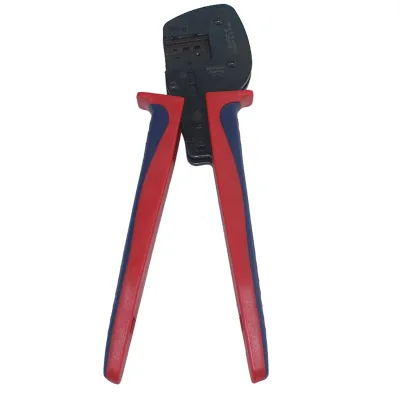
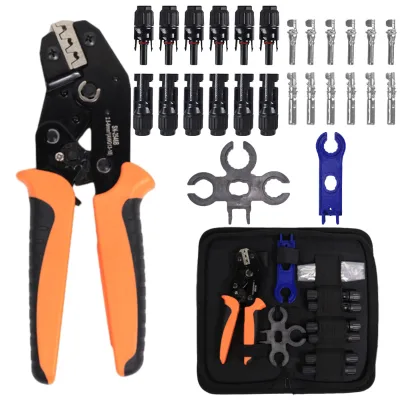
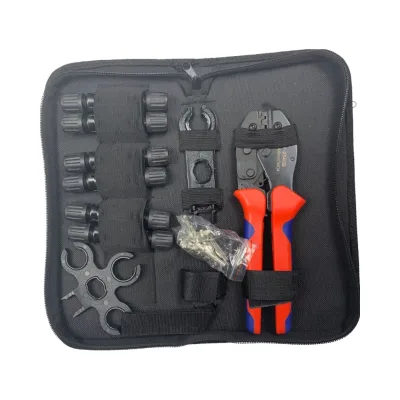
Sourcing solar photovoltaic crimping pliers requires identifying tools designed for specific wire gauges and connector types used in renewable energy installations. The available market data indicates a range of models, such as the MC4 and FSPV-2D, which are explicitly categorized for crimping and wire stripping applications. Buyers must distinguish between general-purpose wire cutters and specialized tools capable of handling the specific capacity ranges required for solar cabling, typically spanning from 2.5mm² to 6mm² or 10AWG to 26AWG.
Procurement decisions should prioritize tools that offer dual functionality for both stripping and crimping to streamline on-site operations. The observed product attributes highlight features like box joint structures and half-box joints, which provide the necessary leverage for consistent compression of terminals. Selecting the correct model depends on matching the tool's capacity to the specific wire sizes used in the project, ensuring that the pliers can effectively process the standard conductor sizes found in most photovoltaic arrays without causing damage to the conductors or connectors.
Product Scope and Observed Listing Signals
The current market listings for solar crimping pliers reveal a diverse array of specifications, including varying lengths from 220mm to 270mm and different handle materials such as polypropylene. These physical dimensions directly influence the ergonomics and reach required for tight installation spaces common in solar panel mounting. Buyers should carefully review the single package size and gross weight, as these factors impact shipping costs and the ease of transporting multiple units to remote job sites.
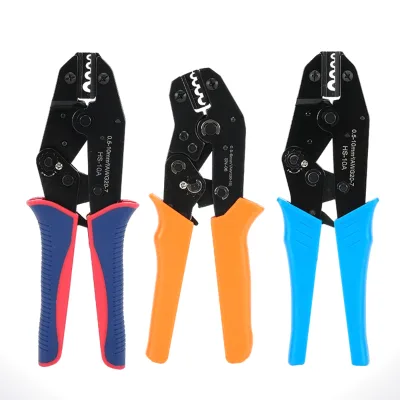
Listing signals also indicate significant variation in packaging and customization options, with some suppliers offering blister packs while others provide bulk carton or pallet configurations. The presence of customization availability suggests that buyers can request specific branding or handle colors, such as the observed blue, red, or orange options, to improve tool identification on busy construction sites. Understanding these listing signals helps procurement teams anticipate the logistical requirements and potential for branding alignment before placing large orders.
Technical Specifications to Verify
Verifying the technical capacity of the pliers is critical to ensure they meet the electrical and mechanical demands of solar installations. The observed data specifies a capacity range of 2.5mm² to 6mm², which aligns with common AWG standards for photovoltaic wiring. Buyers must confirm that the specific model selected, whether it is the LY-2546B or another variant, explicitly supports the wire gauges required for their specific project to avoid under-crimping or damaging the conductors during the process.
Structural integrity and joint design are equally important technical factors that determine the longevity and performance of the tool. The listings describe both box joint and half-box joint structures, which offer different levels of durability and force distribution during operation. Additionally, the shaft style, typically straight, and the overall length must be evaluated to ensure the tool provides adequate leverage for the specific crimping force required by the connector manufacturer, ensuring a reliable electrical connection that meets industry standards.
Compliance and Safety Documentation
Safety and compliance documentation are non-negotiable when sourcing tools for electrical work, particularly in the high-voltage environment of solar power systems. The observed product attributes include certifications such as VDE, UL, and BS, which indicate that certain models have undergone rigorous testing for electrical safety and mechanical reliability. Buyers should request current certification documents for the specific batch of tools being purchased to verify that the safety standards have been met and are valid for the intended region of operation.
Beyond electrical safety, the materials used in the construction of the pliers must be verified for durability and resistance to environmental factors. The listings mention stainless steel materials and polypropylene handles, which contribute to the tool's resistance to corrosion and wear. Ensuring that the tool meets environmental protection characteristics is essential for tools that will be used outdoors, where exposure to sunlight, moisture, and temperature fluctuations can degrade lower-quality materials over time.
Cost Drivers and Commercial Terms
The cost of solar crimping pliers is influenced by several factors, including the complexity of the joint structure, the quality of the materials, and the level of customization requested. The observed supply ability of 60,000 pieces per day suggests that high-volume orders may benefit from economies of scale, potentially lowering the unit price. However, buyers should be aware that specialized models with specific certifications or custom branding may carry a premium compared to standard, off-the-shelf options.
Commercial terms such as minimum order quantities (MOQ) and packaging details play a significant role in the total cost of ownership. The observed MOQ range of 1 to 1000 pieces allows for flexibility, but larger orders often require specific packaging configurations like cartons or pallets, which can affect shipping logistics. Buyers must negotiate clear terms regarding the selling units and packaging details to ensure that the tools arrive in a condition suitable for immediate use without additional handling or repacking costs.
Supplier Qualification and Quality Control
Evaluating supplier qualification involves assessing their production capabilities and adherence to quality control standards. The data indicates that suppliers are located in regions like Zhejiang and Shanghai, China, with production processes including injection molding for handle components. Buyers should verify the supplier's ability to maintain consistent quality across large production runs, given the high supply ability figures, to ensure that every tool meets the specified technical requirements.
Quality control measures should extend beyond the final product to include the raw materials and manufacturing processes. The use of stainless steel and polypropylene requires strict quality checks to prevent defects that could compromise the tool's performance. Buyers should request evidence of quality control protocols, such as inspection reports or process audits, to confirm that the supplier consistently produces tools that meet the specified standards for crimping and cutting performance.
Long-Term Procurement Checks
Establishing long-term procurement relationships requires regular checks on the consistency of product quality and the reliability of the supply chain. Buyers should implement a system for periodic sampling and testing of received tools to ensure they continue to meet the specified capacity and performance standards over time. This proactive approach helps identify any drift in manufacturing quality before it impacts the efficiency of solar installation projects.
Additionally, long-term checks should include monitoring the availability of spare parts and the supplier's responsiveness to warranty claims. The observed customization options and specific model numbers suggest a need for a stable supply of compatible tools for future projects. Maintaining open communication with suppliers regarding production schedules and potential changes in material sourcing ensures that the procurement team can adapt to market fluctuations and maintain a steady supply of high-quality crimping pliers.
FAQs
What certifications do these solar photovoltaic crimping pliers hold?
These tools hold VDE, UL, and BS certifications for safety and compliance. The product specifications confirm these standards are met for industrial applications. Buyers can rely on these documented certifications when sourcing for regulated markets requiring verified electrical safety equipment.
Which wire sizes can these pliers handle effectively?
The pliers handle wire capacities ranging from 2.5 to 6 square millimeters. This corresponds to an AWG range of 26 to 10 for versatile use. The design supports both crimping and cutting functions across this specific range of conductor sizes.
Can I request customization for these crimping tools?
Yes, customization is available for these solar photovoltaic crimping pliers. Buyers can request specific modifications to meet unique project requirements. The product page explicitly lists customization as an available option for tailored industrial solutions.
How is the supply capacity for these tools?
The supplier offers a daily supply capacity of 60,000 pieces. This high volume ensures consistent availability for large orders. Buyers can expect reliable fulfillment capabilities given the stated production ability for this specific product line.
What is the typical packaging for these pliers?
Standard packaging includes 100 pieces per box with carton or pallet options. The single package size measures 10 by 10 by 8 centimeters. This efficient packing method supports bulk shipping and storage requirements for industrial buyers.
Where are these solar photovoltaic crimping pliers manufactured?
These tools are manufactured in Zhejiang, China, with some origins noted in Shanghai. The production location ensures access to established manufacturing hubs. Buyers can verify the place of origin as a key factor in their sourcing decisions.
What materials are used for the plier handles?
The handles are constructed from polypropylene material for durability. This choice provides a comfortable grip and resistance to wear during repeated use. The material selection supports the tool's function in industrial and building decoration applications.